Reliable Windshield Repair Services for Safe and Clear Driving
Professional windshield services serve an essential purpose in supporting safe and unobstructed driving. Rapid response toward fractures and chips may stop additional harm and sustain automobile condition. Experienced professionals implement advanced procedures, regularly producing quick completion. Yet, determining proper service timing and learning the methodology may become intricate. This introduces pertinent inquiries regarding protection and caliber. Which considerations might motorists weigh when selecting a repair vendor?
When Is It The Right Moment to Contact Auto Glass Service Specialists?
When should one consider seeking windshield repair services? This question often arises when drivers spot damage, such as chips or cracks, on their windshields. A timely response is essential; postponing fixes can exacerbate existing issues. Factors influencing the decision include the dimensions and placement of the damage. Small chips located away from the driver's line of sight may appear less pressing, yet even minor damage can compromise the structural integrity of the windshield. Additionally, environmental conditions, such as temperature fluctuations and moisture, can aggravate fractures over time. Drivers should also consider the potential impact on visibility and safety while driving. Moreover, many insurance policies pay for windshield repairs, making it a cost-effective choice. Ultimately, getting expert repairs done promptly can ensure secure driving environments and extend the life of the windshield. Recognizing these factors can help individuals determine the best course of action regarding windshield maintenance.
Indications You Need Windshield Repair Right Away
Recognizing the signs that indicate an critical necessity for windshield maintenance is vital for safety. Cracks or chips, impaired visibility while driving, and weakened structural support can significantly affect a car's functionality. Addressing these issues quickly can prevent additional deterioration and guarantee safe driving conditions.
Cracks or Chips Visible
Visible breaks or damage marks in a windshield often suggest an pressing requirement to fix it. These flaws can damage the structural integrity of the glass, making it more prone to further damage. Even tiny breaks can increase due to thermal shifts or vibrations from driving, transforming into larger cracks that may impair the driver's sight. Additionally, cracks can weaken the windshield, increasing the risk of shattering during a collision. It is advisable for vehicle owners to address these issues promptly, as neglecting repairs can lead to costly replacements and safety hazards. Regular inspections, especially after adverse weather or road debris incidents, can help identify these issues early and guarantee safe driving conditions.
Reduced Visual Clarity During Car Operation
In what ways can a motorist effectively drive on the roadway with impaired visibility? The answer is in recognizing signals that indicate the need for urgent windshield repair. When a motorist faces reflection from the sun or headlights shining on damage, it can significantly hinder their ability to see the road surface clearly. Furthermore, if rainwater gathers in cracks or chips, it may distort vision, leading to dangerous driving conditions.
Drivers should remain vigilant to the appearance of marks or blemishes that resist cleaning efforts, as these can additionally impair sight lines. Timely maintenance of any glass damage is essential; ignoring these indicators not only compromises protection but also increases the likelihood of greater repair needs needed later.
Damaged Structural Stability
When a windshield receives injury, the structural stability of the vehicle can be compromised, prompting grave safety dangers. The windshield provides vital support in maintaining the vehicle's overall strength, especially during collisions. Chips or cracks can undermine this defensive layer, making the vehicle less able of withstanding impacts. Warning signs requiring repair feature noticeable fractures running through the windshield, significant damage spots, or any warping affecting the driver's visual field. Equally, if the windshield appears unsecured or if water leaks into the cabin, these indicate additional concerns. Timely focus on these signs is essential to ensure safety and confirm that the vehicle can perform correctly in an crash, maintaining passenger protection.
What Happens During a Windshield Fix?
Throughout a windshield repair, repair specialists examine the damage right away to gauge its severity and determine the appropriate repair solution. Following the inspection, the repair operation includes various procedures to restore the structural integrity of the glass. To conclude, a final quality control check guarantees that the fix meets safety standards and maintains visibility.
Assessment of Injury
A comprehensive inspection of harm is a essential first step in the windshield repair process. Technicians inspect the windshield closely to assess the scope and nature of the harm. They search for cracks, chips, and any indicators of fragmentation to establish if the windshield can be fixed or requires replacement. This evaluation includes measuring the size and thickness of the harm, as well as its location. Factors such as distance to the edges and the driver's line of sight are also considered. Additionally, the technician checks for any underlying problems that might affect the repair, such as moisture or debris within the cracks. This meticulous inspection ensures that the subsequent repair process is both efficient and safe.
Repair Process Steps
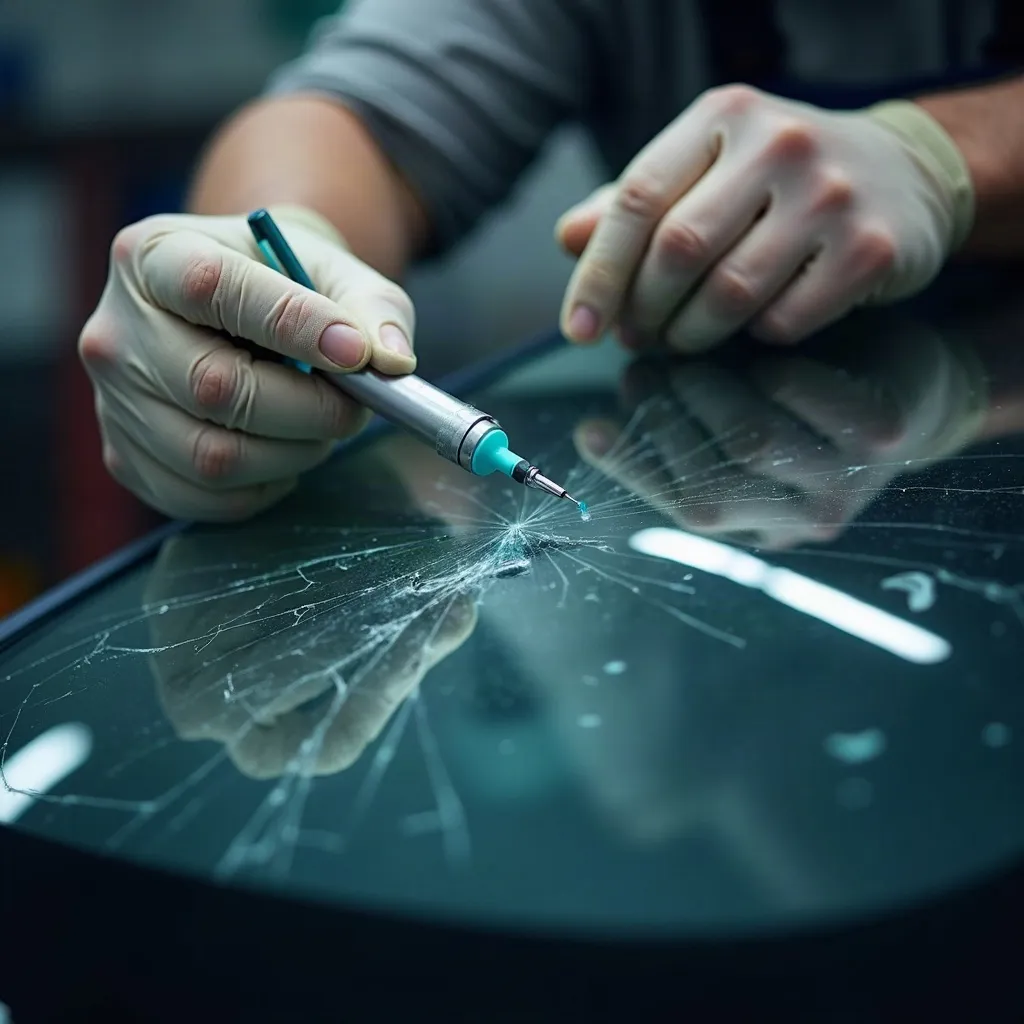
The windshield repair procedure progresses methodically, starting with the technician preparing the damaged area. This step includes cleaning the surface to remove dirt and debris, ensuring a strong bond. Following that, the technician evaluates the size and depth of the damage to select the correct repair method. They then inject a custom resin into the crack or chip, filling it completely to restore the strength of the structure. The resin is hardened using ultraviolet light, which solidifies it and makes it transparent, blending with the existing glass. Post-curing, the technician carefully removes any surplus resin and polishes the surface for a smooth finish. This detailed process aims to boost visibility and maintain the vehicle’s safety while reducing the risk of further damage.
Post-Repair Inspection
Following the restoration procedure, the technician conducts a meticulous post-repair assessment to verify the integrity and clarity of the windshield. This step supplementary information entails reviewing the repaired area for any flaws or voids that may impact visibility. The technician evaluates the adhesive bond to confirm it has hardened correctly, offering structural support. Additionally, they may utilize advanced instruments to assess the repair's success, ensuring that it meets industry standards. The technician also assesses the alignment of the windshield, verifying it is correctly aligned within the frame. Finally, they may polish the glass surface, removing any residue or streaks, which improves clarity. This meticulous quality check is essential for safe driving and guarantees customer satisfaction with the repair.
Why Experienced Windshield Service Is Superior Than DIY
Why place your faith in a DIY approach for windshield restoration when professional services provide precision and expertise? Professionals have specialized training and experience that allow them to evaluate and fix various types of damage effectively. Unlike DIY approaches, which may rely on trial and error, skilled technicians employ advanced tools and techniques to restore the windshield's clarity and structural integrity.
Furthermore, professional fixes often come with warranties, providing peace of mind that DIY solutions don't provide. The threat of improper repair is significant; an poorly fixed windshield can undermine safety during operation and produce further harm. Moreover, professionals adhere to professional guidelines, confirming the repair satisfies safety regulations.
In contrast, DIY fixes can unintentionally worsen the damage or cause new issues, leading in costly replacements. Ultimately, opting for professional windshield restoration is a wise choice, ensuring security and clarity while operating a vehicle.
Choosing a Credible Windshield Restoration Specialist
What method works best to locate a trustworthy windshield repair provider? First, individuals should seek recommendations from friends, family, or online reviews. A provider with favorable reviews and high ratings often indicates reliability and quality service. Next, checking certifications and credentials is vital; professionals should be certified by organizations such as the National Windshield Repair Association.
Furthermore, openness in pricing and service offerings helps build trust. A reputable provider will provide a clear estimate free from hidden fees. It's also advantageous to inquire about the kinds of materials used, as high-quality adhesives and glass can impact safety and durability.
In conclusion, think about the provider's repair warranty, which shows trust in their work. By following these steps, individuals can make well-informed choices, ensuring they choose a provider who emphasizes customer satisfaction and safety.
What to Look For When Your Windshield Is Being Repaired?
When a windshield restoration is scheduled, the car proprietor can expect a straightforward procedure that prioritizes effectiveness and safety. To start, a specialist evaluates the harm, deciding whether a repair is feasible or if a substitute is required. This assessment encompasses checking the dimensions and position of the chip or crack, making certain it does not obstruct the driver's vision.
After being judged repairable, the technician prepares the area by cleaning it and applying a proprietary resin. This resin is injected into the damaged section, successfully closing it and restoring structural soundness. The process typically takes about 30 minutes to an hour, depending on the damage severity.
After the repair, the technician may offer advice on what to steer clear of right away, such as drastic temperature fluctuations. Overall, the process seeks to reduce disruption while guaranteeing the vehicle is safe for ongoing operation. The outcome is a more transparent and safer glass, improving the road experience.
Maintaining Your Windshield in Good Condition Post-Service
Following a windshield repair, it is essential to maintain the integrity of the repair for long-term safety and visibility. To assure peak performance, the vehicle owner should stay away from abrasive cleaners and rough substances, as these may impair the repaired area. Using mild soap and water with a soft cloth is recommended for routine cleaning.
Moreover, it is advisable to give a minimum of 24 hours before subjecting the windshield to intense weather. This allows the repair resin to harden completely. Frequently inspecting the windshield for any indications of damage is also important; prompt attention to chips or cracks can avoid additional problems.
To conclude, parking your vehicle in shaded areas can reduce heat pressure on the glass, preserving the repair. By obeying these practices, drivers can maintain their windshield's clearness and structural integrity, enhancing a better driving experience.
Frequently Asked Questions
What Duration is Required for a Standard Windshield Repair?
A typical windshield service involves about 30 to 60 minutes. Aspects impacting duration include the extent and location of the damage, as well as the repair person's background and the exact repair methods applied.
Does My Insurance Handle Windshield Fix Costs?
Insurance coverage for windshield repair costs differs by policy. Many providers offer this benefit, often with no out-of-pocket expense. It is advisable for individuals to verify with their insurance company for specific information regarding their coverage.
Is it Safe to Drive My Vehicle After a Windshield Repair?
Once a windshield fix is completed, it is typically safe to drive your car. However, it's sensible to refrain and let the cement cure, usually at least an hour, guaranteeing strong bonding and safety during your drive.
What Varieties of Deterioration Can Be Mended?
Windshield damage that is repairable includes small chips, cracks up to a specific length, and star breaks. Repairs are typically successful if the damage is within the driver's line of sight and not extensive.
What Measures Can I Take to Prevent Windshield Damage Going Forward?
To avoid future windshield damage, maintain a safe distance from vehicles, avoid driving on unpaved roads, regularly inspect for chips, and park in the shade to reduce temperature changes that can damage the glass.